Cardiovascular Rehabilitation
If you’ve experienced heart-related or vascular conditions that affect your health, the Cardiovascular Rehabilitation Department at The University of Toledo Medical Center can help you improve your quality of life so you can get back to doing the activities you enjoy.
Cardiovascular rehabilitation is a medically monitored program consisting of 36 sessions of exercise, education and diet modification specifically tailored to your needs. Our team includes registered nurses, exercise physiologists, behavioral-health specialists, a registered dietitian and our medical director. These professionals are dedicated to helping you and your family understand and manage your health challenges as well as make lifestyle changes that can lead to a stronger and healthier heart.
Comprehensive Facility and Services
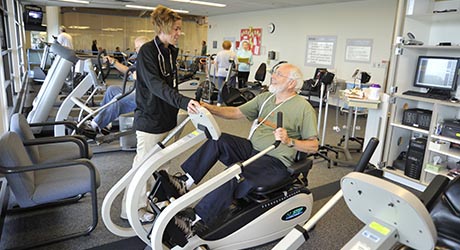
UTMC's cardiovascular rehabilitation program takes place in an exercise facility that includes:
- A large indoor track
- An extensive variety of exercise equipment
- A wide variety of weight-training equipment
Services include:
Cardiovascular Behavioral Medicine
Patients living with cardiac issues often experience increased stress and changes in emotional functioning throughout the course of diagnosis and treatment. We offer integrated inpatient and outpatient services to help patients manage depression and stress and minimize the negative impact of distress on healing and risk for future cardiovascular events.
Cardiopulmonary Exercise Stress Testing
Testing helps the exercise physiologists to guide exercise prescriptions for cardiovascular patients; it is a routine part of the evaluation of patients who go through the UTMC cardiovascular rehabilitation program.
Education, Counseling and Monitoring
Our knowledgeable nursing staff review medications, provide education and monitor the blood pressure, pulse rate, heart rhythm and blood glucose levels of patients during their cardiac therapy sessions. Patients are trained to recognize and manage symptoms. Issues that arise are relayed to the referring physician, in most cases in the patient’s cardiologist, which ensures the added benefit of close medical follow-up.
Health Education
Classes and programs offered as a scheduled part of the cardiovascular rehabilitation curriculum cover a variety of topics to educate patients on managing their health.
Nutritional Counseling
A registered dietician who specializes in counseling cardiovascular disease patients about heart-healthy diets leads group and one-on-one counseling sessions to foster dietary awareness and healthy eating habits.
Supervised Exercise Program
Exercise prescriptions are provided by our clinical exercise physiologists, who have extensive expertise and experience working with patients with even the most severe cardiovascular disease.
Contact us today at 419.383.5378 to begin your heart healthy lifestyle or ask your physician to contact us for a referral.